Embark on a guided trek to North Africa's highest peak with a Mount Toubkal tour departing from Marrakech. Most packages feature comprehensive two-day itineraries complete with local mountain guides, meals, and overnight refuge accommodation.
 Free Cancellation
 Summit North Africa's highest peak on a two-day trek through Berber villages and the High Atlas Mountains.
 Free Cancellation
 Summit Mount Toubkal on a guided 2-day trek through the High Atlas Mountains with full support from Marrakech.
 Free Cancellation
 A challenging circuit of Jebel Toubkal featuring high-altitude passes, Berber villages, and a climb to the 4,167m summit.
 Free Cancellation
 Summit North Africa's highest peak on a private two-day trek through the Imlil Valley and Toubkal Massif.
 Free Cancellation
 Climb to the 4,167m summit of Mount Toubkal on a focused two-day trek through the High Atlas from Marrakech.
 Free Cancellation
 Reach the 4,167-meter summit of Mount Toubkal on a trek through Morocco's rugged High Atlas mountain range.
 Free Cancellation
 Summit Mount Toubkal, the 4,167m roof of North Africa, on a guided two-day trek through the High Atlas Mountains.
 Free Cancellation
 Hike through High Atlas villages and share a traditional lunch with a Berber family on this day trip from Marrakech.
 Free Cancellation
 A two-day guided ascent of Mount Toubkal starting from Imlil, reaching the 4,167m summit of North Africa.
 Free Cancellation
 A guided two-day trek from Marrakech to the 4,167m summit of Mount Toubkal, the highest peak in North Africa.
Read what travelers share about their experience visiting Mount Toubkal — from practical tips to personal highlights.
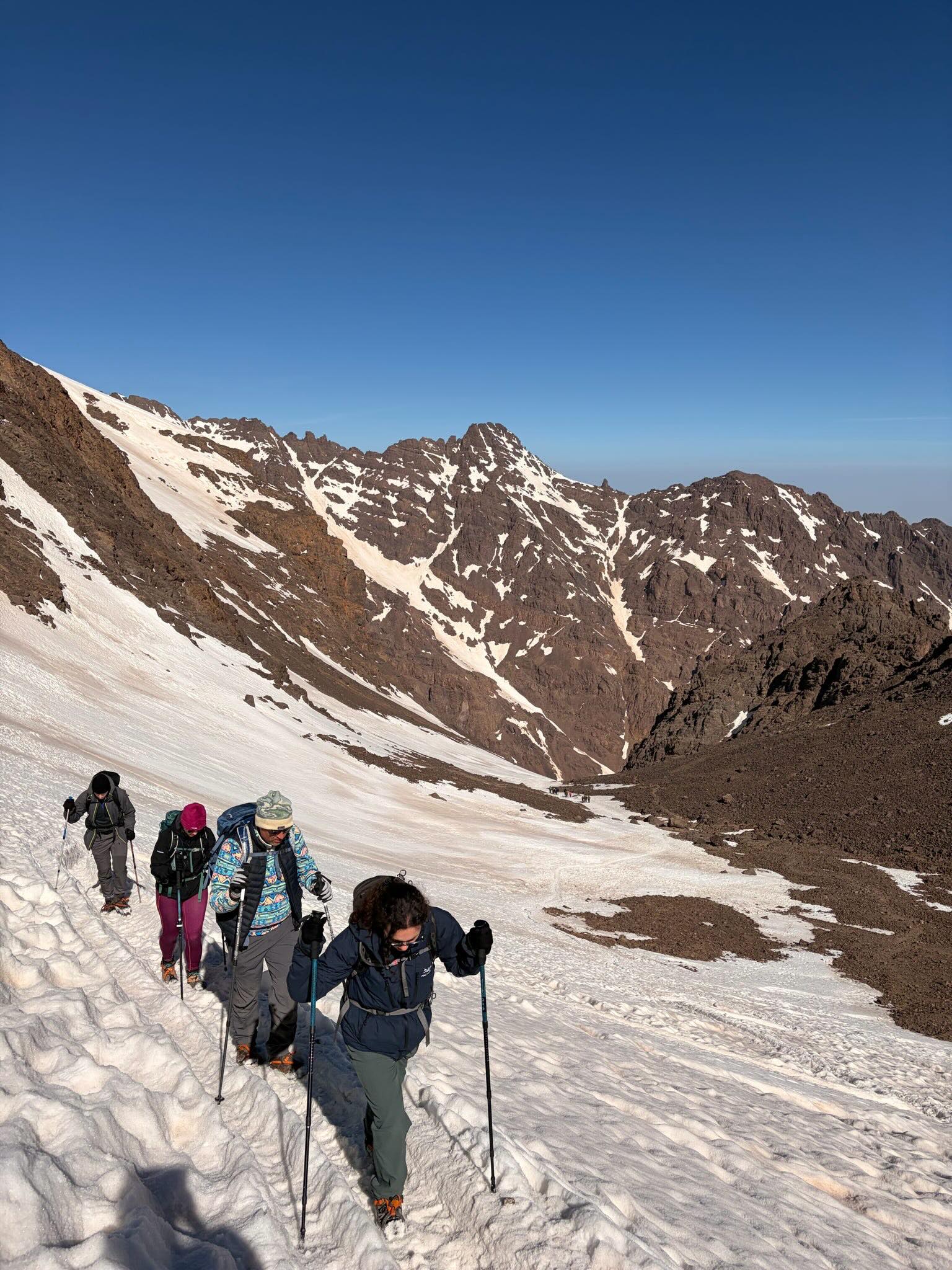
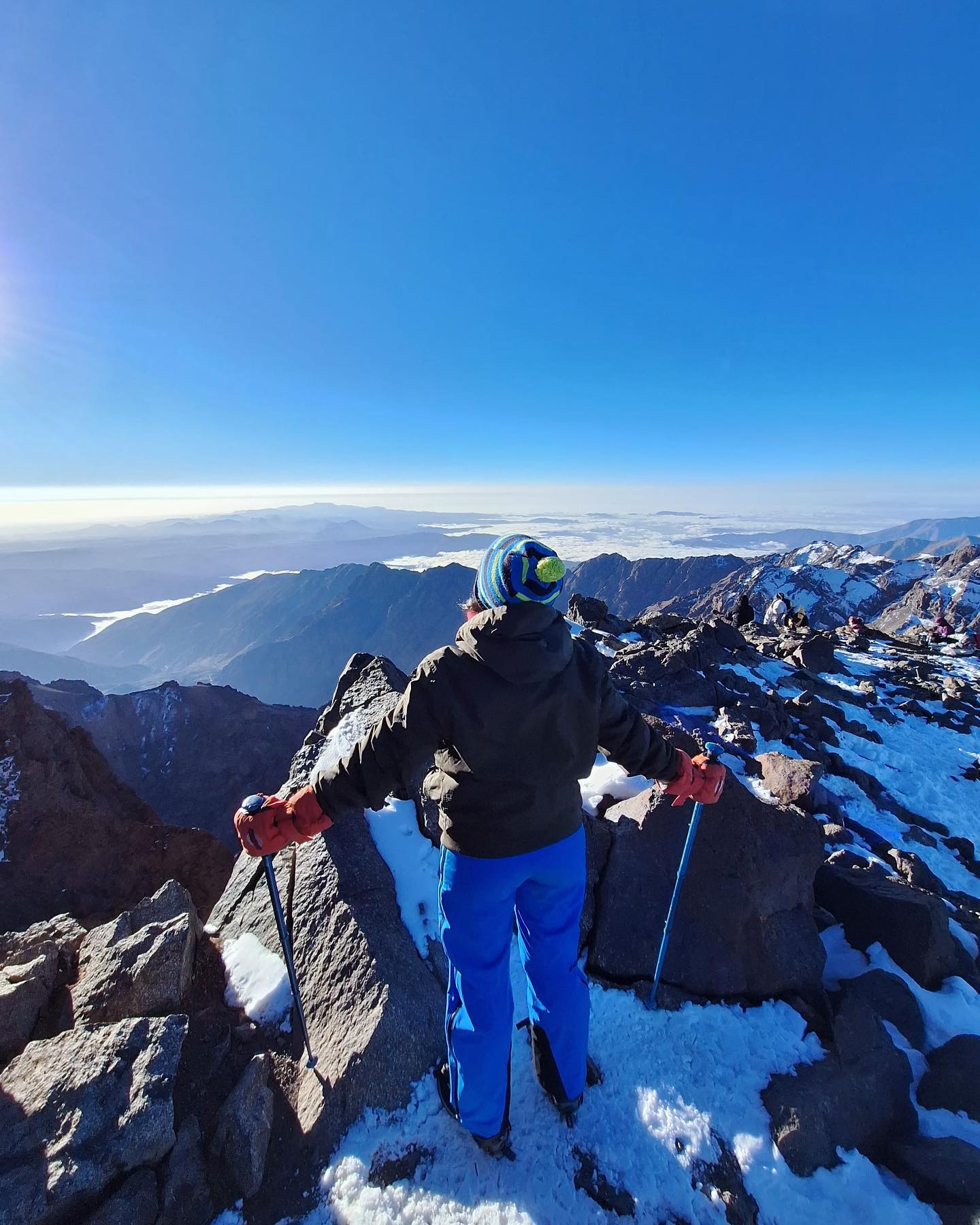
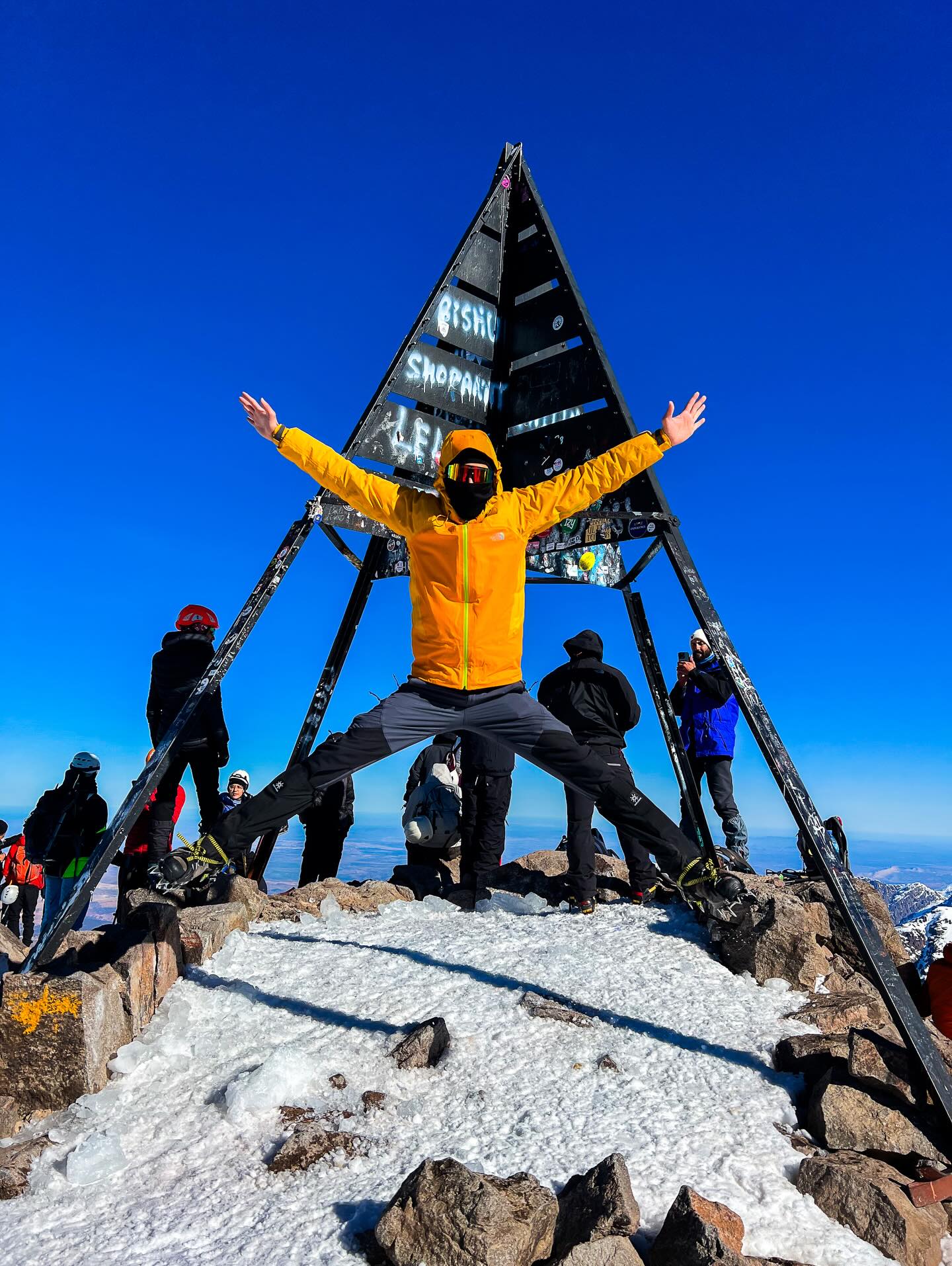
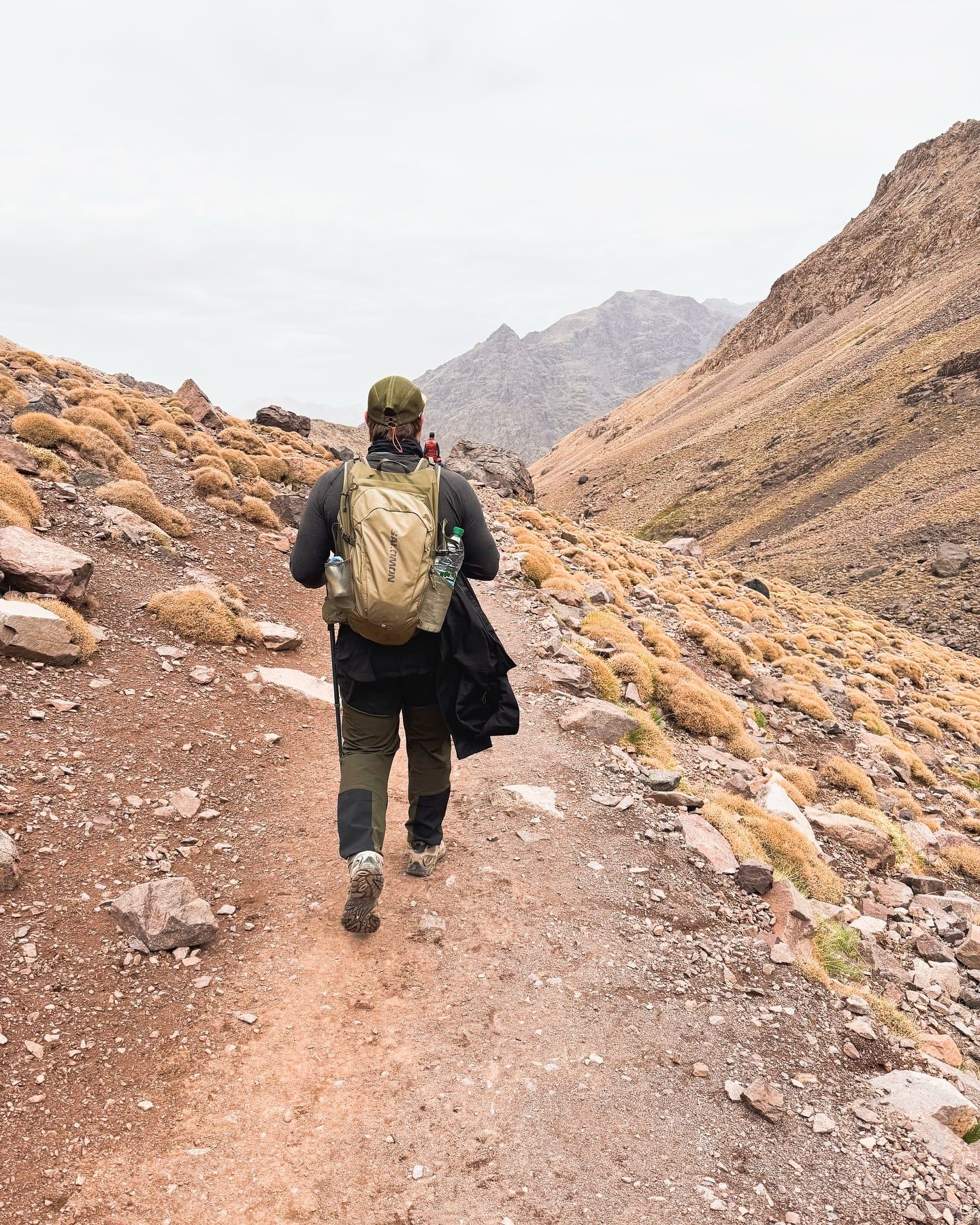
Most tours from Marrakech to Mount Toubkal involve a challenging but highly rewarding two-day trek into the High Atlas Mountains. You will leave the busy city behind for rugged volcanic landscapes, traditional Berber villages, and a final early-morning push to the highest peak in North Africa at 4,167 meters.
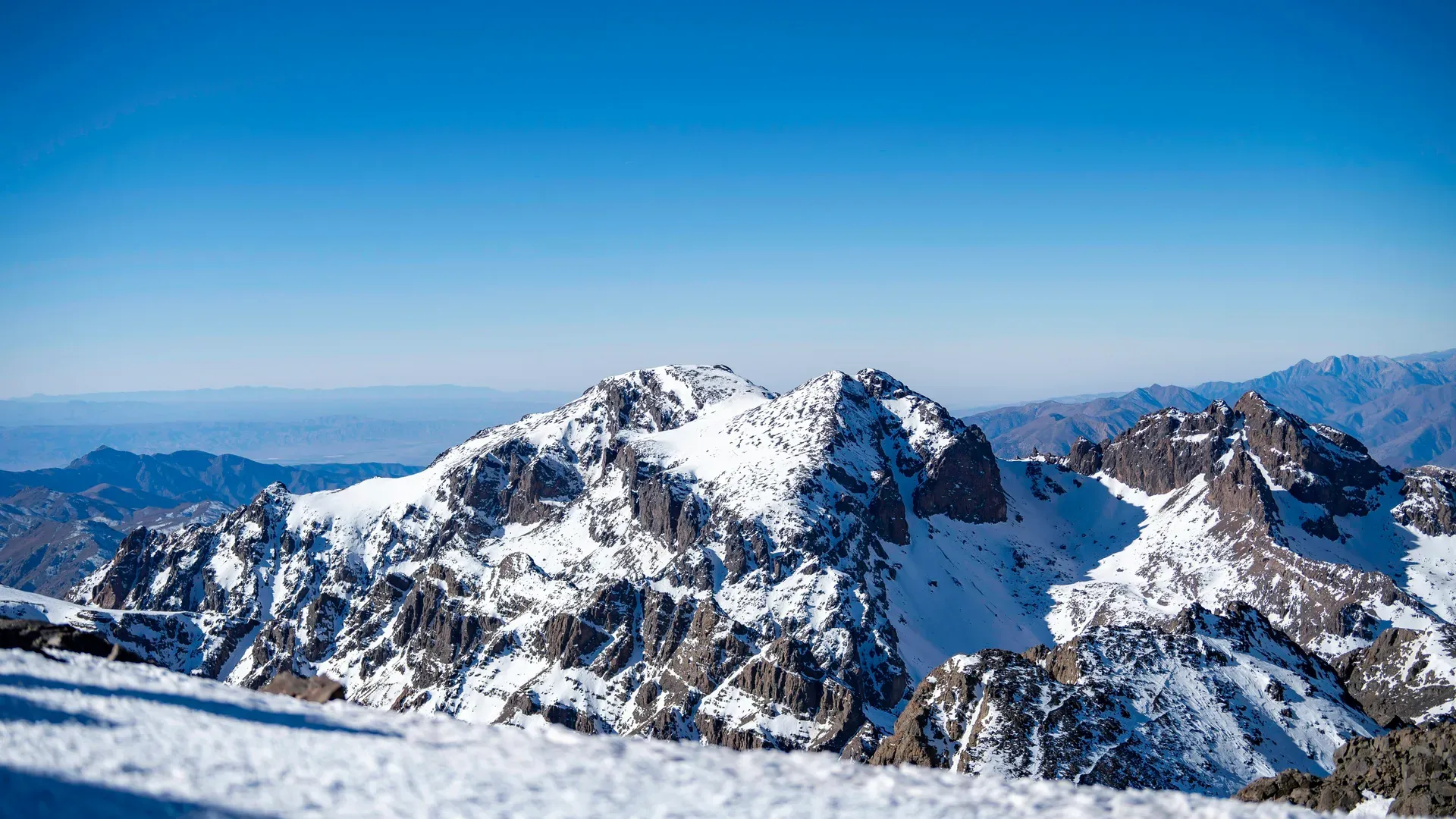
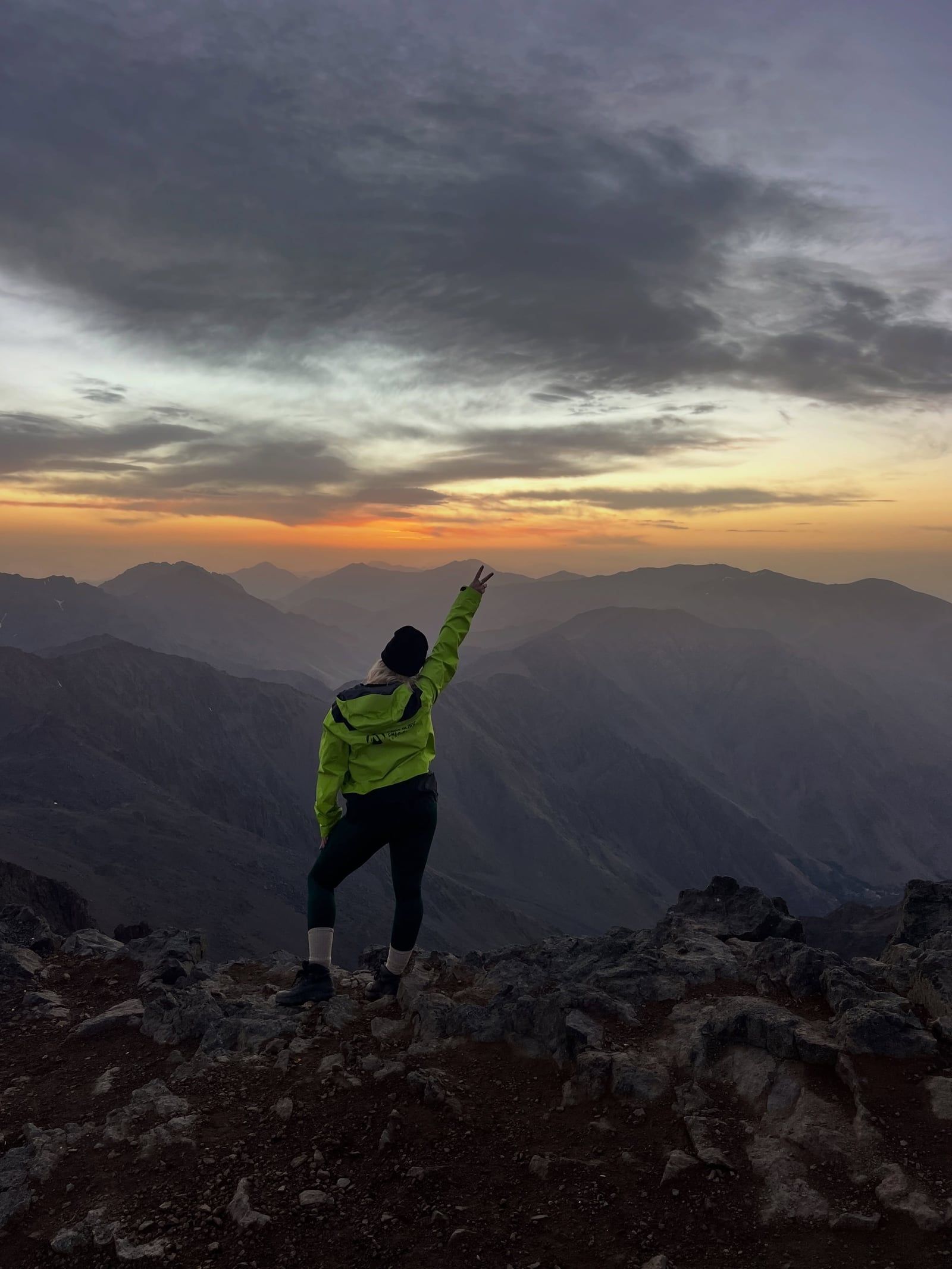
Reaching the 4,167-meter peak at dawn offers breathtaking 360-degree views. You can see across the snow-capped High Atlas range all the way down to the Sahara Desert.
Spend the night at the historic CAF Toubkal Refuge at 3,207 meters. It is a classic alpine experience where climbers gather for hot tagine and sweet mint tea before sleeping in dormitories.
Hike past this white-painted pastoral shrine nestled beneath towering cliffs. It serves as an important pilgrimage site for local Muslims and a scenic milestone on the mule track.
Your trek begins in this picturesque mountain town surrounded by walnut, cherry, and almond orchards. The trails wind past terraced farmland and rushing mountain streams.
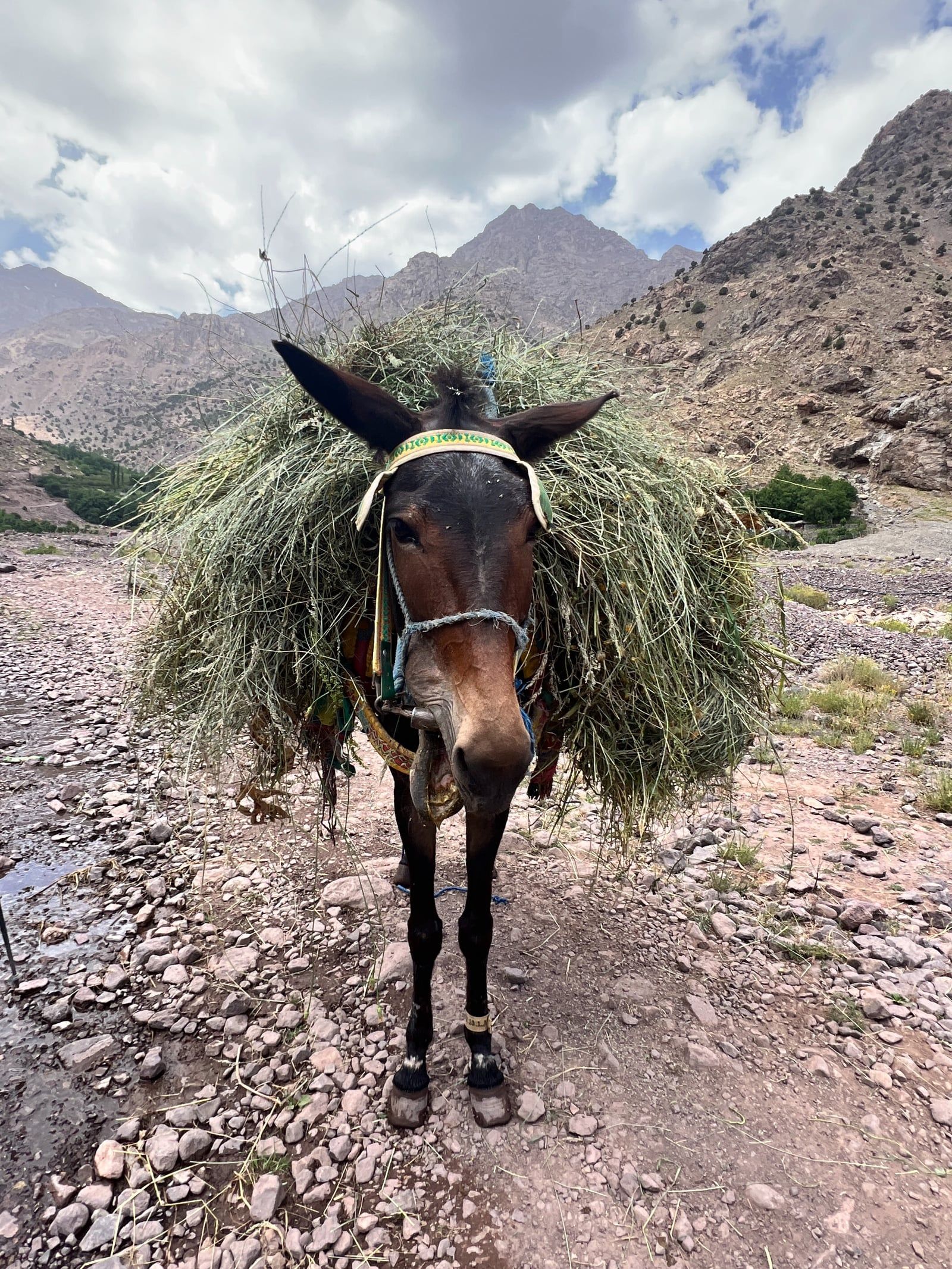
Walk through this traditional stone-built Berber village in the High Atlas. You will see farmers tending to agricultural plots and mules carrying goods up steep, stony pathways.
Climbing Mount Toubkal requires physical preparation and an understanding of local mountain regulations before you book your trek.
The vast majority of tours are 2-day guided treks starting from Marrakech. You can choose between small group departures, which are more budget-friendly, or private treks that allow you to set your own hiking pace. Shorter day trips to the Imlil Valley are available for non-hikers.
Following safety regulations enacted in 2018, it is illegal to climb Mount Toubkal without a licensed mountain guide. All official tours include a licensed guide to ensure you can pass the mandatory police checkpoints along the trail.
Standard 2-day tour packages generally include round-trip transport from your Marrakech hotel to Imlil, the licensed guide, mules to carry heavy luggage, overnight accommodation at the mountain refuge, and all basic meals (breakfast, lunch, dinner).
This is a demanding high-altitude trek, not a casual walk. You need a moderate to high level of physical fitness to handle hiking up to 17 kilometers in a single day with significant elevation gain. The steep scree slopes are especially taxing on the knees.
Avoid cotton clothing entirely, as it retains sweat and can cause hypothermia in freezing high-altitude temperatures. You must pack high-ankle hiking boots, warm synthetic or merino wool layers, a windproof jacket, and a bright head torch for the pre-dawn summit push.
Most tour operators on Viator offer a standard 24-hour cancellation policy, allowing you to get a full refund if you cancel at least one day before your scheduled departure time.
Swipe to see more
| Standard 2-Day Group Trek | Private 2-Day Trek | Imlil Valley Day Tour | |
|---|---|---|---|
| Duration | 2 Days | 2 Days | 1 Day |
| Best for | Budget travelers and solo hikers | Couples and friends wanting pace flexibility | Families and non-hikers |
| Includes | Transport, guide, refuge stay, mules, meals | Private transport, private guide, refuge stay, mules, meals | Transport, local guide, breakfast, tea |
| Starting Price | ~$110 - $150 | ~$160 - $295 | ~$15 - $30 |
Swipe to see more
Mount Toubkal and the surrounding Toubkal National Park do not have official opening or closing hours, meaning the trails are technically accessible 24 hours a day.
However, the trekking schedule is heavily dictated by daylight and weather. Hikers staying at the Neltner Refuge typically wake up in the dark and begin their final summit ascent between 5:00 AM and 6:00 AM. This early start ensures climbers reach the peak by sunrise and have enough daylight to safely descend the steep scree slopes before afternoon weather systems roll in.
The journey begins with a drive from Marrakech to the mountain trailhead village of Imlil. The distance is approximately 63 kilometers (39 miles), and the drive takes about 1 hour and 30 minutes along winding mountain roads.
The most favorable times to climb Mount Toubkal are during the spring (April to May) and autumn (September to October). During these months, the weather is relatively stable, and temperatures are moderate for hiking.
Summer (July to August) is also a popular time for non-technical hiking because the mountain is free of snow, though you should be prepared for extreme heat in Marrakech (80°F to 100°F) before you reach the cooler mountain altitudes.
Winter Warning: From November to March, the higher elevations turn into a freezing, icy alpine environment. Winter climbs should only be attempted by experienced mountaineers equipped with crampons and ice axes.
Mount Toubkal is a rugged, demanding environment that is not wheelchair accessible. The trails consist of dirt paths, loose shale scree, and boulder fields.
The climb is generally unsuitable for elderly travelers or young children due to the high altitude, steep drop-offs, and freezing temperatures. The standard summit day requires walking up to 17 kilometers with massive elevation changes, which places extreme strain on the knees and joints.
Families traveling with young children or those with mobility limitations are advised to stick to the lower-altitude day tours around the Imlil Valley or the nearby Ourika Valley instead.
Facilities on the mountain are basic and geared toward alpine survival rather than luxury.
Visitors must adhere to both national park regulations and local cultural customs while trekking.
Mount Toubkal stands at an official elevation of 4,167 meters (13,671 feet) above sea level. This makes it the highest peak in Morocco, the entire Atlas Mountains range, North Africa, and the Arab world.
Yes, the Moroccan government made it mandatory to hire a licensed guide to climb Mount Toubkal following a safety incident in 2018. Hikers must pass official checkpoints along the trail where guides must present their credentials.
The standard trek takes 2 days to complete. On the first day, hikers walk about 10 kilometers to the mountain refuge. On the second day, they complete a 17-kilometer round trip to the summit and back down to Imlil.
Hikers typically stay at the Neltner Refuge (CAF Toubkal Refuge) at 3,207 meters. It is a basic mountain hut featuring dormitory-style lodging with bunk beds, shared bathrooms, and a communal dining area where hot meals are served.
While tourists of all backgrounds can hike past the settlement of Sidi Chamarouch, only Muslims are permitted to cross the stone bridge to visit the actual shrine. Non-Muslim visitors must respect this religious boundary and view the structure from the trail.
Climbing between November and March requires specialized winter mountaineering equipment due to heavy snow and ice. Hikers must use crampons and ice axes to safely navigate the solid sheets of ice above 3,500 meters.
Yes, almost all 2-day guided treks include basic meals such as breakfast, lunch, and dinner. These are usually prepared by a cook at the refuge or carried by the support team, featuring local dishes like tagine and mint tea.
There are no ATMs available in the gateway village of Imlil or anywhere along the mountain trails. Travelers must carry sufficient cash in Moroccan Dirhams or Euros to pay for tips, trailside snacks, and souvenirs.
Because the summit exceeds 4,000 meters, climbers can experience altitude sickness due to lower oxygen levels. Symptoms include severe headaches, nausea, dizziness, loss of appetite, and extreme fatigue.
You must wear high-ankle hiking boots and avoid cotton clothing, which retains moisture and can cause hypothermia. Pack warm layers, including synthetic or merino base layers, fleeces, windproof jackets, beanies, and gloves.
Browse verified tours with free cancellation and instant confirmation.
Find Tours


This two-day trek departs from Marrakech and heads into the High Atlas Mountains for an ascent of Mount Toubkal. Starting from the village of Imlil, you will hike through rocky terrain and traditional Berber villages, following trails used by local mountain communities. The first day involves a steady climb to the Toubkal Refuge at 3,207 meters, where you will eat and stay overnight. On the second day, you will make the final push to the 4,167-meter summit before sunrise. Guided by local mountaineers, you'll navigate the steep scree slopes to reach the peak for views across the entire Atlas range. After descending back to the refuge for lunch, the hike continues down to Imlil for the return drive to Marrakech.
For a full refund, cancel at least 24 hours before the scheduled departure time.
English, French, Spanish


This two-day trek begins with a drive from Marrakech through Asni to the Imlil Valley. After meeting your guide and support team, you will hike along the Mizane Valley, passing local waterfalls and the shrine of Sidi Chamarouch. The trail is accessible to most hikers with a good level of fitness and does not require technical climbing experience. You will stay overnight at the Toubkal refuge before starting the final ascent in the early hours of the morning. Reaching the summit at sunrise offers panoramic views across the Atlas range. Following the descent back to Imlil, the trip concludes with a return drive to Marrakech. All meals are included throughout the trek. The team can provide necessary hiking equipment upon request and accommodate specific dietary requirements.
For a full refund, cancel at least 24 hours before the scheduled departure time.
English, French, Spanish


This trek circles the Jebel Toubkal massif, the highest point in the Atlas Mountains at 4,167m. The route follows high ridges and crosses several passes, moving between oasis valleys filled with mud-brick Berber villages and high-altitude summer pastures. It is a rugged landscape where the mountains meet the dry plains. Highlights include the volcanic shores of Lac D'Ifni and a final ascent to the Toubkal peak involving rock scrambles and snowfields. From the top, you can see across the Atlas range and south toward the Sahara. This is a strenuous high-altitude walk that requires physical preparation and the right gear for mountain conditions.
For a full refund, cancel at least 24 hours before the scheduled departure time.
German, English, Italian, French, Spanish


This private two-day trek starts in the Imlil Valley and leads you through the rugged landscapes of the Toubkal Massif. On the first day, you will hike past the shrine of Sidi Chamarouch to reach the Toubkal Refuge. You can choose to stay overnight in the mountain hut or camp under the stars if the weather permits. The second day begins with an early morning climb to the summit of Jebel Toubkal. Reaching the peak at dawn provides clear views across the High Atlas Mountains as the sun rises. After spending time at the top, you will begin the descent back to the valley with your guide.
For a full refund, cancel at least 24 hours before the scheduled departure time.
Arabic, English, French, Spanish


This two-day expedition departs from Marrakech to summit Mount Toubkal, the highest peak in North Africa at 4,167 meters. The route is designed for hikers who want to reach the top within a short timeframe. You will travel from the city into the heart of the High Atlas, trekking through rocky terrain and staying at a mountain refuge before making the final push to the summit at dawn. While the trek is non-technical, it is a strenuous high-altitude hike that requires good physical fitness. The reward is a panoramic view of the Atlas range and the surrounding valleys from the highest point in the region. Throughout the journey, you will pass through traditional Berber settlements, offering a glimpse into local mountain culture alongside the physical challenge of the ascent.
For a full refund, cancel at least 24 hours before the scheduled departure time.
Arabic, English, French, Spanish


Mount Toubkal, also known as Tubkal, is the highest peak in both the Atlas Mountains and North Africa. Situated in southwestern Morocco within the Toubkal National Park, the mountain rises to an elevation of 4,167 metres. It serves as the central focal point of the High Atlas, offering a challenging high-altitude trek through steep, rocky terrain. The journey to the summit typically begins in the mountain village of Imlil, passing through traditional Berber settlements and high-altitude refuges. While the climb is a non-technical trek in the warmer months, the altitude and steep scree slopes require good physical fitness. At the top, hikers are met with panoramic views across the Atlas range and the distant plains of the Maghreb.
For a full refund, cancel at least 24 hours before the scheduled departure time.
English, French, Spanish


This two-day expedition begins with a drive from Marrakech to the mountain village of Imlil. From here, you will hike through the Mizane Valley, passing the village of Aremd and the shrine of Sidi Chamharouch. The first day concludes at the Toubkal Refuge, where you will stay overnight and prepare for the final ascent. On the second day, you will climb to the summit of Mount Toubkal. At 4,167 meters, it is the highest point in North Africa. From the peak, you can see across the Toubkal National Park and the surrounding High Atlas range before beginning the descent back to Imlil for your return transport to Marrakech.
For a full refund, cancel at least 24 hours before the scheduled departure time.
English


We will pick you up from your hotel and drive south toward the Moulay Brahim Gorges. The journey takes about 90 minutes, reaching the village of Asni where we stop to visit the local weekly market if your tour falls on a Saturday. From there, we continue to Imlil at 1,740m in the foothills of the Western High Atlas. After a glass of mint tea, we leave the vehicle behind to begin our hike through the mountains. The walk leads south through small hamlets toward the village of Aroumd, situated at 1,843m. Along the way, you will see Mount Toubkal, the highest peak in North Africa, while we discuss the local Berber way of life. We then continue to the village of Ait-Souka to eat lunch at a local family’s home. After the meal, we drive back to Marrakech, arriving at approximately 4:30 PM.
For a full refund, cancel at least 24 hours before the scheduled departure time.
Arabic, English, French


This two-day trek starts in the mountain village of Imlil, where you will meet your local guide and begin the hike toward the base of Mount Toubkal. The first day involves a steady climb past the shrine of Sidi Chamharouch to reach the mountain refuge at 3,207 meters. You will spend the night here to rest and acclimatize before the final push to the summit. On the second day, you will set off before dawn to reach the peak at 4,167 meters. From the summit, you can see across the Atlas range and toward the Sahara Desert. The return journey follows the same path back down to the refuge for lunch, eventually ending back in Imlil by late afternoon.
For a full refund, cancel at least 24 hours before the scheduled departure time.
English, French, Spanish


This two-day expedition begins with a prompt pickup from any location in Marrakech or the airport. You will join a small group led by a professional support team, including local guides, drivers, and cooks. Muleteers will handle the logistics and heavy gear, serving as the essential support system for your climb through the High Atlas range. The trek is focused on reaching the summit of Mount Toubkal, which stands at 4,167 meters. Our team manages all meals and transport, providing the necessary guidance and pace to help you reach the highest point in Morocco. We maintain a strict schedule to ensure all participants are picked up on time and the itinerary remains on track.
For a full refund, cancel at least 24 hours before the scheduled departure time.
German, English, Italian, French, Spanish